Welcome to the official website of Shenyang Jingu Lock Industry Co., Ltd.


08
2022
-
08
What are the rules for sealing and opening padlock seals?
What are the rules for sealing and opening padlock seals?
Using the rules of sealing, sealing and unsealing, trucks and containers that should be sealed and transported should use sealing rings (sealing rings can also be used for ton boxes). There are two types of blockade: FS type (type) and FSP straight type (ring). FS type sealing block is composed of lock head, lock cylinder and lock sleeve. The lock head and the lock cylinder are connected by wire rope. After locking, it is a straight rod, which is used for sealing various containers.
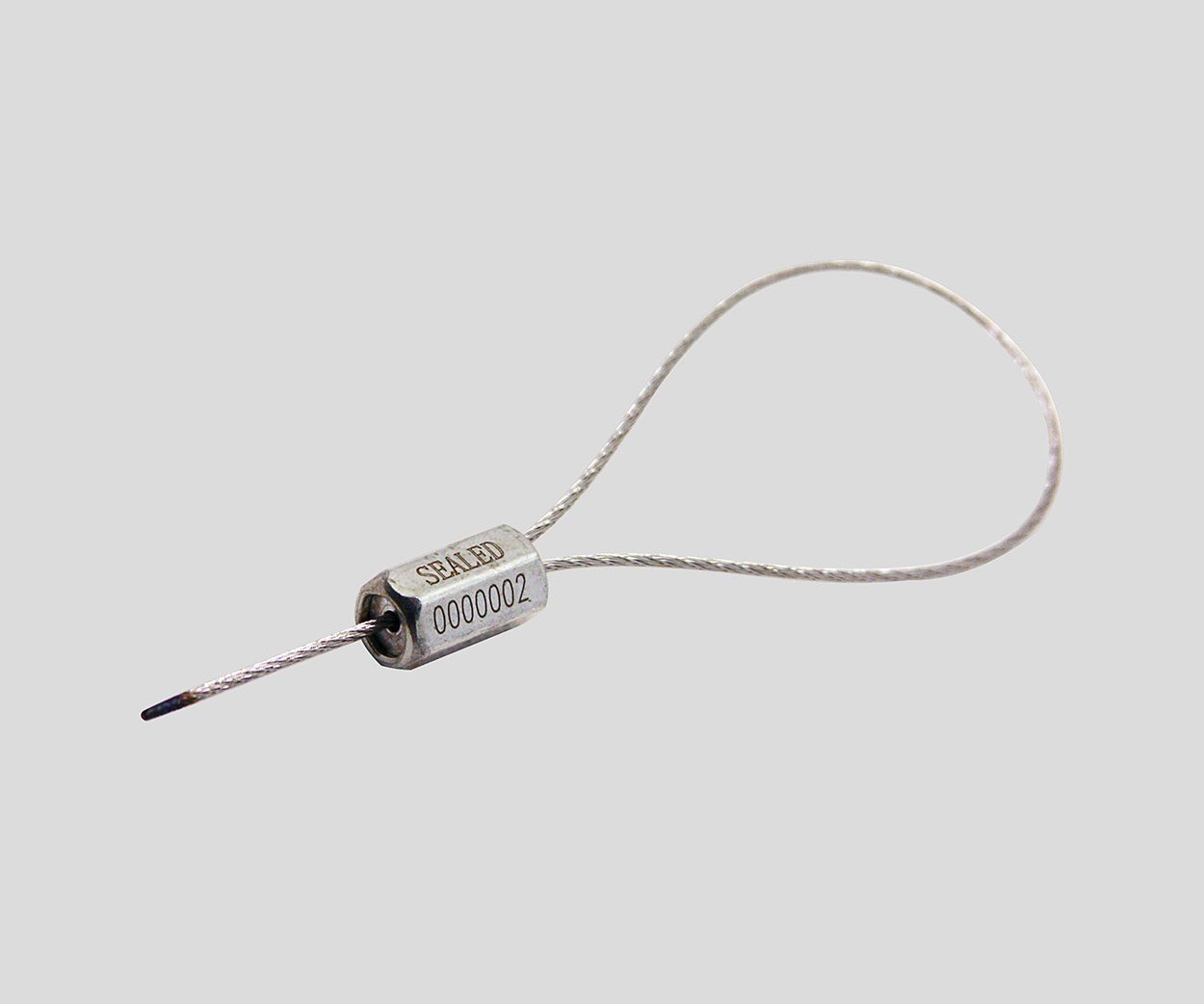
The padlock seal consists of a lock cylinder and a lock sleeve. The lock cylinder and the lock sleeve are connected by a wire rope. When locking, the lock cylinder is inserted into the lock hole of the lock sleeve, and it is annular after locking. It is used for boxcars and refrigerated trucks. of the seal. The plane of each type of blocking lock sleeve is printed with "seal number, station name, short name of the office name in brackets (the shipper's own blocking is replaced by the shipper's number or special line number)" and the outer part of the lock sleeve is printed with the manufacturer's symbol. Seal numbers are used for 6-bit cycles per station or group.
Using a sealed and sealed truck, tighten the lower part of the door and the nose on both sides with thick wire, and apply a block to the upper part of each door. After locking, check the locking status of the lock to confirm that the lock is valid and the door cannot be opened. Mark it on the waybill, truck loading list or shipping receipt envelope.
For padlock seals, padlock seals and seal management records can only be consulted by designated ship management personnel or security supervisors. Locking, replacement, recording and tracing of container seals are undertaken by the Factory Shipping and Security Supervisor and records of the relevant seals are maintained. Feeding procedure: The factory needs to check whether the seal is intact. Due to reasonable inspection by relevant personnel (customs officials, police), the seal number and seal on the bill of lading are damaged. The customs officer/police noticed the check on the bill of lading.
For factory full-box loading, the seal should be attached to the full box. The seal number is to be recorded on the bill of lading. A spare seal shall be provided for the pilot. If the original seal is damaged in transit (by damage), the arrangement for requesting access to the container (police or customs) must be indicated on the bill of lading.
The driver should put a spare seal on the container and record the new seal number on the bill of lading. The same procedure applies to box trucks or trucks. When the container leaves the factory and arrives at the destination, if the seal is damaged, it should be reported to the factory representative immediately, and the factory should immediately arrange personnel to check the cause of the seal damage.
In case of damage due to unknown reasons, the freight forwarder should be informed to return the goods. In addition, it is necessary to unpack or unpack and check with the materials stored in the box to check whether the contents of the box label are consistent with the packaged goods, paying special attention to the color, quantity, gross weight and other materials and the gross weight of the goods.
Padlock seal The seal of a truck with only one door buckle on each side of the door structure shall be handled according to the upper seal. When the upper part of the midway door buckle is damaged or the lower part of the buckle needs to be sealed, the sealing unit (or the entrusting unit) shall prepare a general record certificate.
Padlock Seal
Previous page
Previous page
recommend News

Shenyang Jingu Lock Industry Co., Ltd. has been committed to the development and production of high-tech products, product series are: steel wire seal series, plastic seal series, high security seal series, electronic locks and other series
Contact Us
Address: Lengzibao Town, Liaozhong District, Shenyang City, Liaoning Province